

Good morning readers !
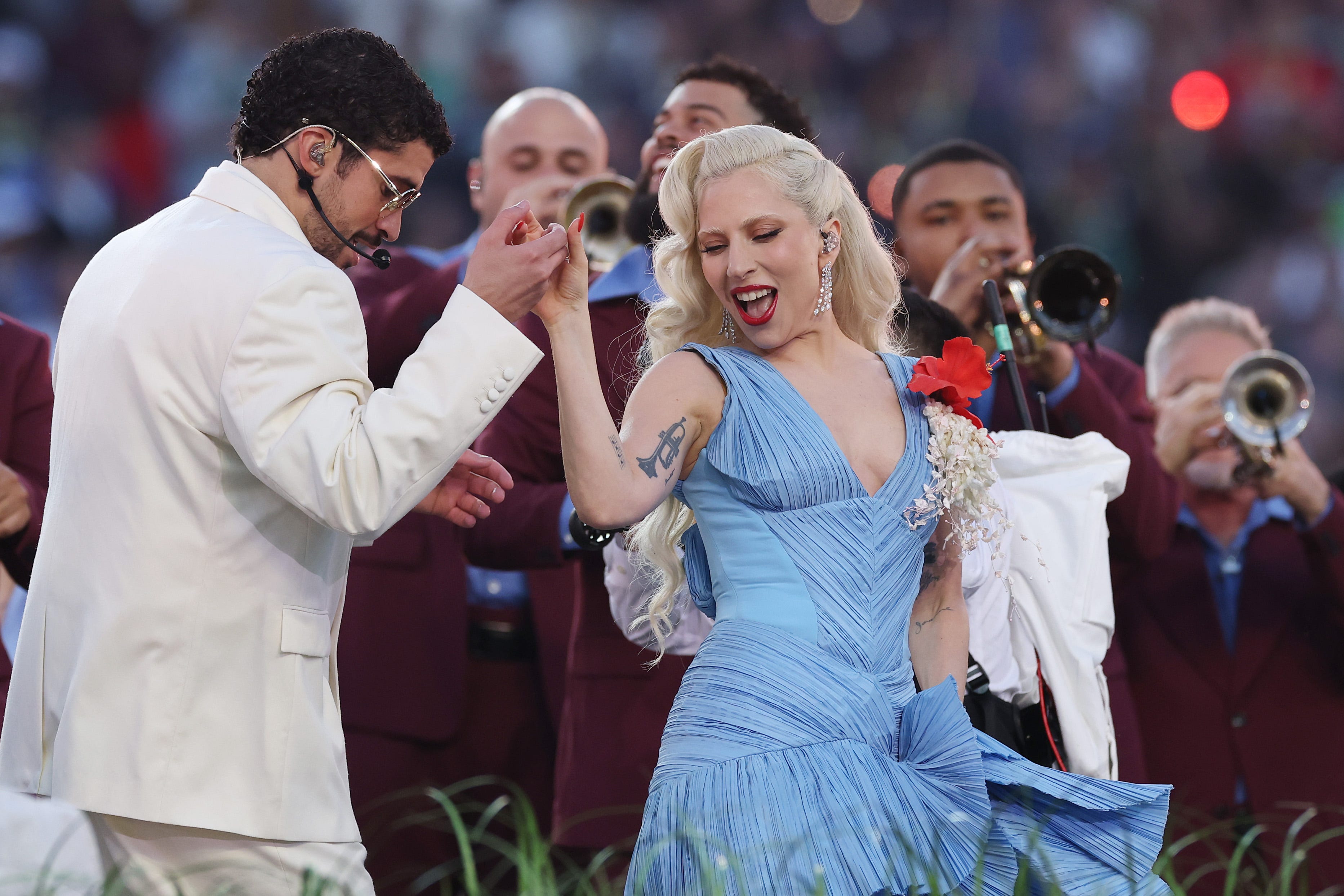
🏈 Every year, the Super Bowl halftime show reflects more than just musical trends. It reveals who gets a voice on the biggest stage in the world. This year, Bad Bunny’s performance was a powerful reminder that representation is not a “nice to have” but a cultural force that shapes how millions of people see themselves and others. His presence as a Latino, gender-bending, boundary-pushing artist signaled that diverse identities and stories are not only welcome in the mainstream. They are a source of energy, innovation, and connection.
At The Allyance, we see the same dynamic at play inside organizations. When companies give real stage time to underrepresented talent, not only as a symbol, but as decision-makers and builders, they unlock new ideas, stronger teams, and more resilient cultures. HR leaders and tech teams are today’s showrunners: the ones deciding who gets invited, who gets heard, and who feels safe to bring their full selves to work.
✅ The Allyance newsletter provides many useful references on recruitment, diversity and inclusion. Here are some articles about Black women being better leaders, Stacey Abrahams warning us, agentic AI and sexism.
👌🏿Why Black Women Are Better Leaders
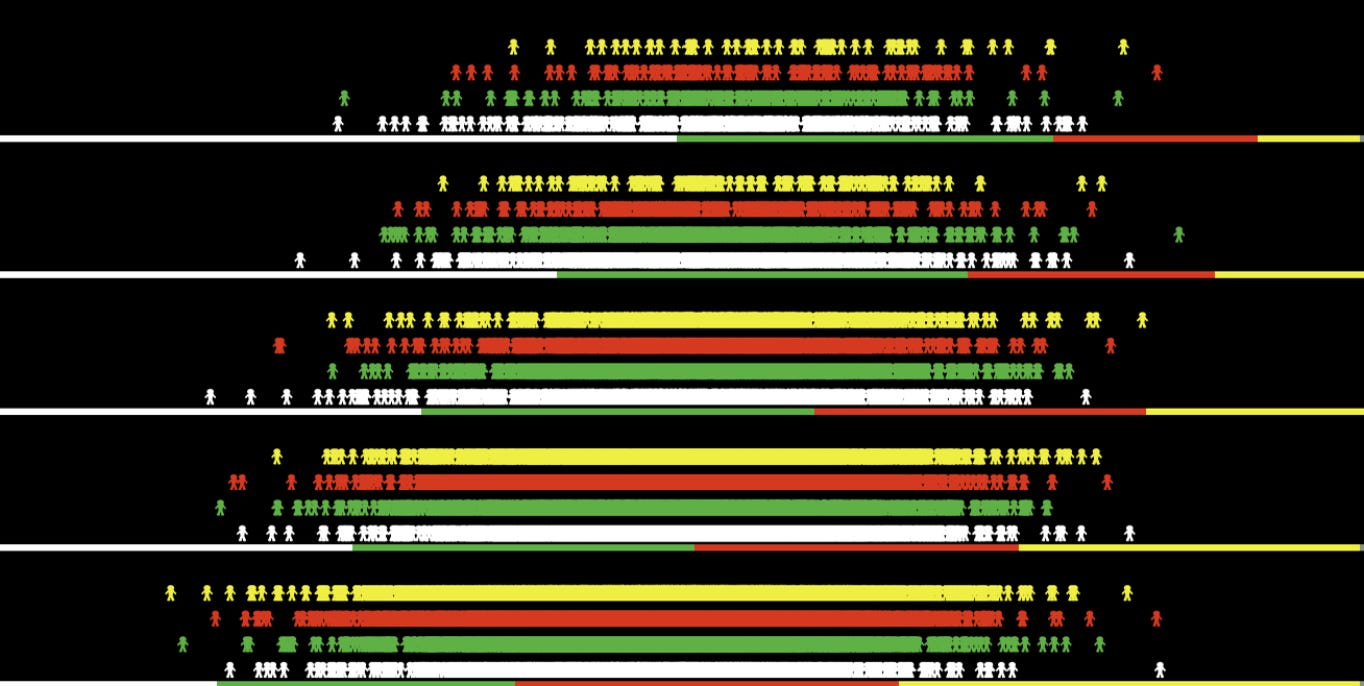
Paolo Gaudino, for Forbes, argues that in systems where bias affects advancement, disadvantaged groups end up underrepresented in leadership but those who do reach the top tend to be more talented on average than their privileged peers.
Using computer simulations with four demographic groups, the author shows that when promotion decisions are skewed toward the cultural majority, that majority’s representation nearly doubles at the top while its average talent is the lowest of all groups.
Conversely, more culturally distant groups (including Black women and queer Black women in the U.S. example) become rarer at higher levels but show significantly higher average innate talent. Paolo Gaudiano concludes that, given equal talent distribution and systemic bias, Black women who reach leadership roles are, on average, better leaders, and that adversity may further enhance their skills, reinforcing this effect.
If anything, there is evidence that facing adversity tends to build character and increase competence – which would mean that disadvantaged people may have greater acquired skills in addition to greater innate talent.

🪶 They’re Not Just Coming for DEI. They’re Coming for Democracy
In this article, Stacey Abrams argues that Republican attacks on diversity, equity, and inclusion (DEI) are part of a broader effort to undermine multiracial democracy in the United States. She contends that recent policies, ranging from deep budget cuts and expanded immigration enforcement funding to executive actions targeting marginalized communities, are designed to strip vulnerable groups of rights and dignity while consolidating power.
Abrams frames these efforts as a coordinated campaign rooted in Christian nationalism and “techno-fascism,” aimed at silencing dissent and reversing progress led by women, people of color, immigrants, LGBTQ+ communities, and the poor. She highlights the projected loss of healthcare for millions and massive funding increases for immigration enforcement as evidence of priorities that favor the wealthy over working families.
Ultimately, Abrams warns that dismantling DEI is not an isolated cultural battle but part of a systematic attempt to weaken democratic institutions and prevent Americans from building common cause across racial and social lines.
👀 Anatomy of an Agent
I am excited to share an article written by Cian Duffy … because I got him his job at Ewake (an amazing company which reduces SRE operational toil) !
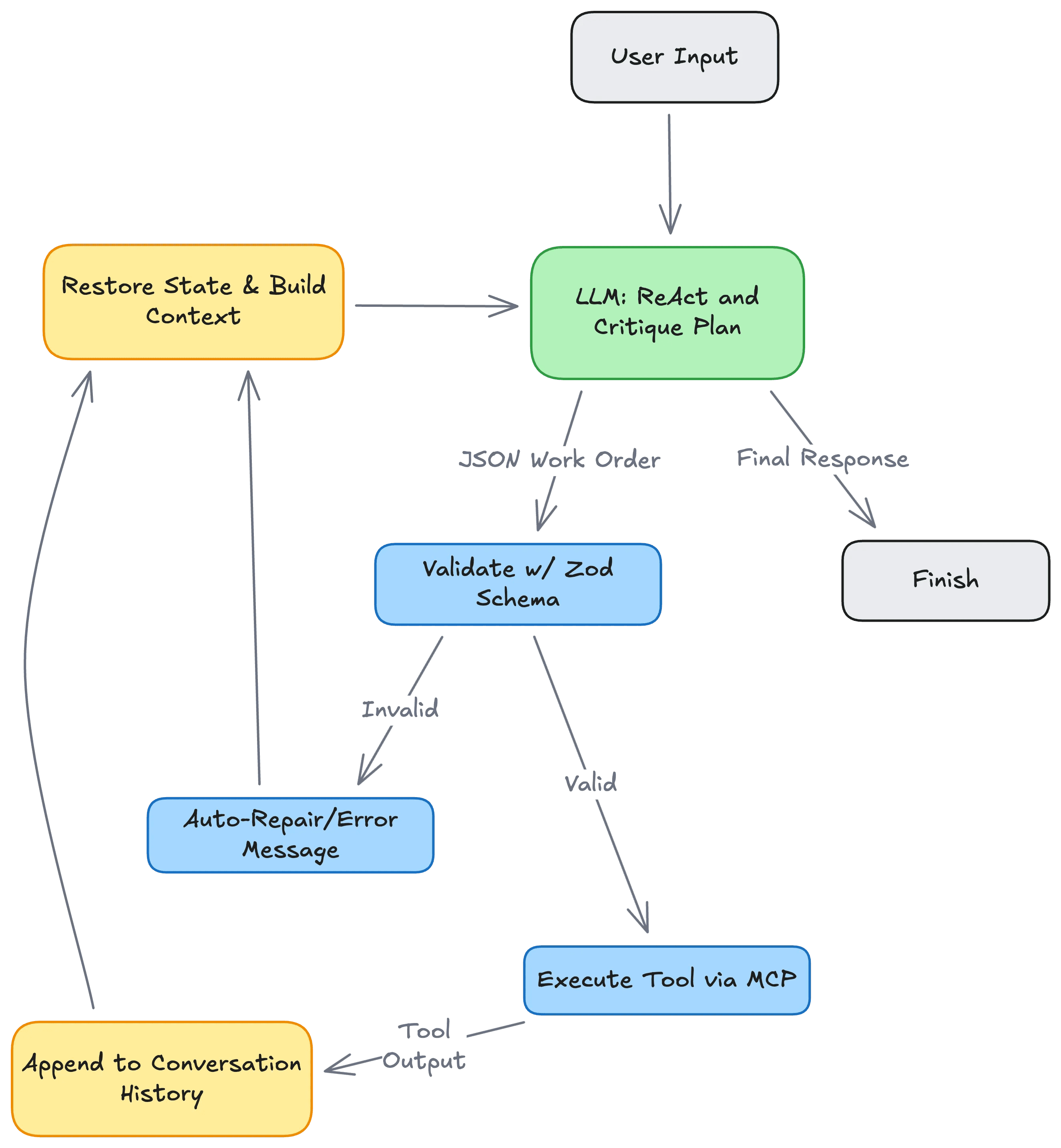
Cian explains that an AI agent is not magic but a chunk of traditional, deterministic software wrapped around an LLM, used as “probabilistic code.”
Building on Karpathy’s Software 1.0/2.0/3.0 framing, it defines an agent as Type 1 code orchestrating Type 3 prompts, with the LLM sitting inside a ReAct loop that repeatedly reflects and acts.
Robust agents use an internal “actor–critic” dialogue, plus heavy “context engineering” and state restoration, because LLMs are stateless and better at critiquing than generating plans. To actually do work, agents call tools via structured JSON and protocols like MCP, while deterministic code enforces schemas and validates outputs for safety.
Cian concludes that agents are a new, durable application architecture: probabilistic reasoning inside a deterministic cage, ideal for messy production incidents where you need both flexible reasoning and strict safeguards.
People are excited about the potential of Agents, and rightly so. But we need to stop treating them like magic and start treating them like what they are: a new type of application architecture.
🐓 Le sexisme en France
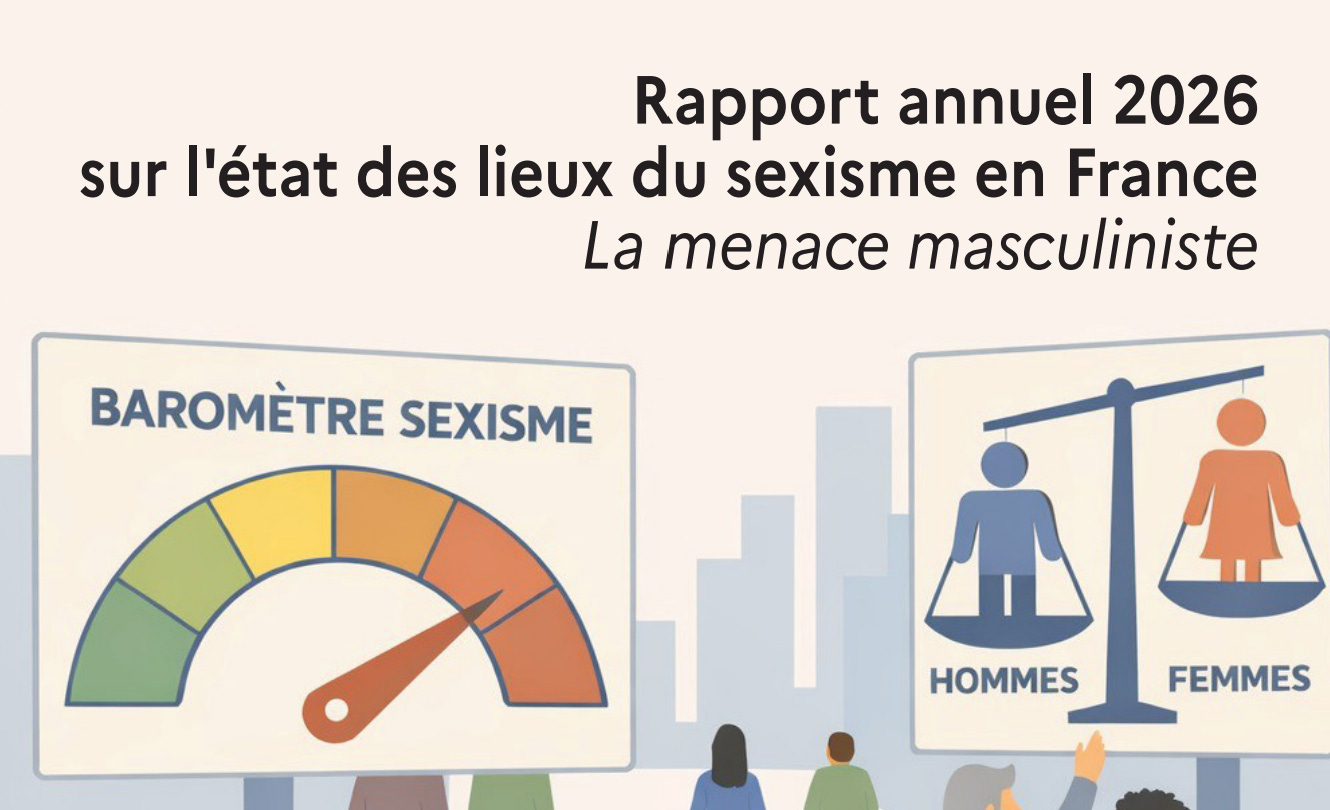
Le Haut Conseil à l’Egalité a publié ce matin son rapport annuel sur l’état des lieux du sexisme en France, consacré à la menace masculiniste.
Le rapport identifie deux formes de sexismes, le sexisme paternaliste et le sexisme hostile. Le sexisme paternaliste est un sexisme faussement bienveillant du quotidien qui légitime une répartition hiérarchisée des hommes et des femmes. Le sexisme hostile est un sexisme violent, se traduit par une hostilité envers les femmes et peut inclure des attitudes agressives ou dévalorisantes.
Ces données nous éclairent sur ce qui se joue au sein de la société française, et par extension, au sein des entreprises.
Le cybersexisme est la première forme de discours de haine en ligne, avec 84 % de victimes qui sont des femmes.
En France, 17% des personnes de 15 ans et plus, soit près de 10 millions de personnes, adhèrent au sexisme hostile.
💚 De l’amour
🤫 Backstage secrets
✨ The newsletter has more than 1 000 readers.
🤩 We have 3 coaching programs going on ; including one with a lawyer!
💡 Morgane is working hard to hire a Tech Lead and a SRE Engineer.
📑 We signed lots of new roles ⤵️
You can contact us : contact@theallyance.one
🩷Hot jobs we are working on
🫵 VP Engineering - to manage up to 10 people (125 000€)
🫵 VP Engineering - to manage up to 40 people (140 000€)
🫵 Chief Product Officer (FinTech) - to manage up to 30 people (140 000€)
🫵 Tech Lead (GreenTech) - Python, No Code (80 000€)
🫵 Junior SRE Engineer - (50 / 60 000€)
🫵 Staff Backend Engineer (AI) - Python, Node.js, Typescript (100 000€)
More details here…
I am excited about the forthcoming weeks. I will start sharing all the videos we talked about starting today on our Linkedin page!
The team and I are focused on recruitment and it feels amazing.
Caroline Chavier, The Allyance CEO
